 Face/Body Contouring
 Laser Lifting
 Pigmentation
 Skin Boosters
 Scars/Pores/Acne
 Thread Lifting
 Nutritional Injections
 Skin Care
 Face/Body ContouringLaser LiftingPigmentationSkin BoostersScars/Pores/AcneThread LiftingNutritional InjectionsSkin Care
The claim that enlarged pores can never shrink back is only half true. While pore size is influenced by genetics, the reason pores look large isn't just a structural issue. That's why, when consulting at a Myeongdong dermatology clinic, the first step is understanding why your pores look the way they do. How far professional pore care can go depends entirely on identifying the right cause first.
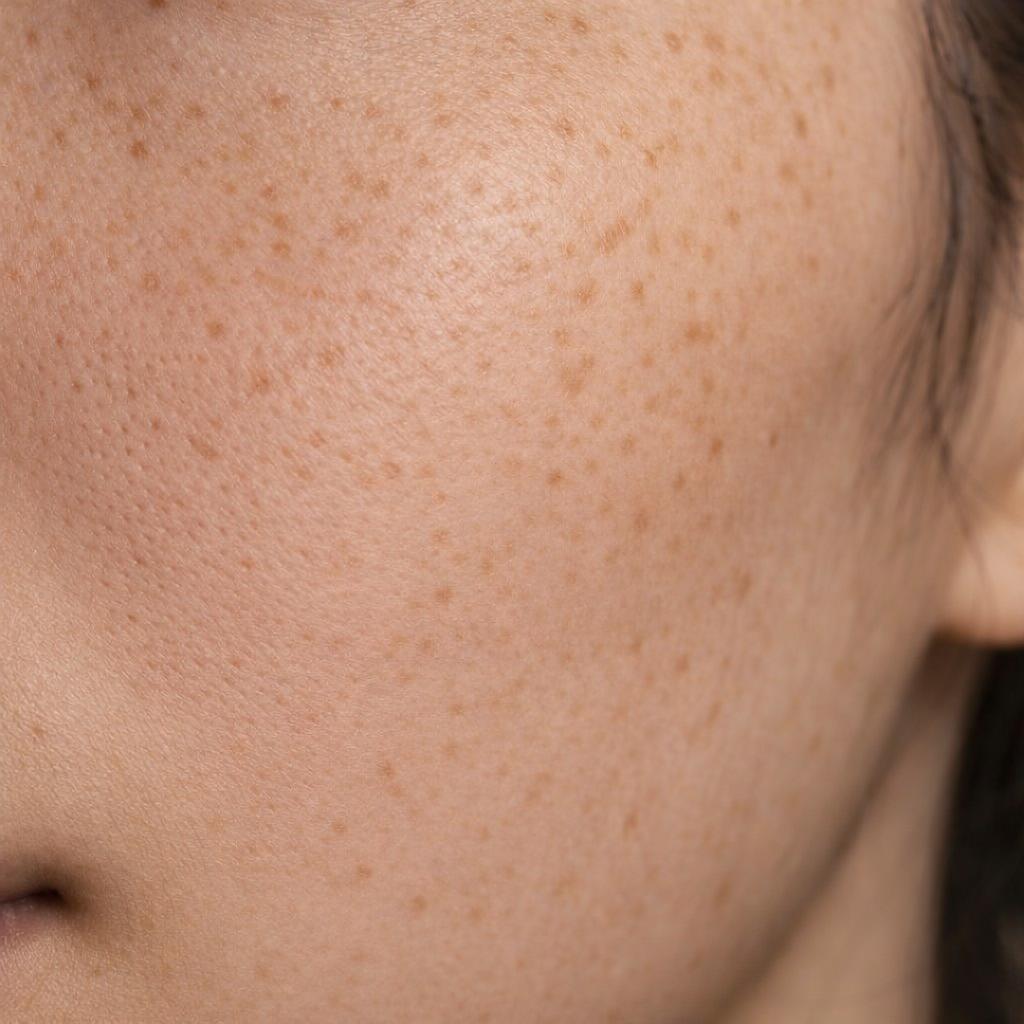
If your pores are noticeably visible, the cause usually falls into one of three categories.
The first is excess sebum and dead skin. When sebum clogs and stretches pores, the result is often blackheads or a congested appearance. The second is loss of elasticity. As skin ages or UV damage accumulates, the skin around pores loses firmness and begins to sag, making pores appear wider. The third is rough skin texture. When the skin surface is uneven, pores become more visually prominent.
According to the American Academy of Dermatology, pore appearance is determined by a combination of factors including sebaceous gland activity, skin elasticity, and follicle structure — and a multi-approach treatment plan tailored to the underlying cause is more effective than any single intervention.
Dermatology pore care is approached along three main axes depending on the cause.
The sebum and exfoliation axis focuses on clearing clogged pores and removing dead skin buildup. It's well-suited for cases where pores appear congested or blackheads are prominent. Laser toning and sebum-regulating lasers are commonly used.
The elasticity recovery axis targets the firmness of skin around pores, helping them appear tighter. Radiofrequency treatments like Thermage, ultrasound-based treatments, and microneedling RF are representative options.
The skin texture improvement axis works to even out the skin surface so pores become less prominent. Skin regeneration lasers, Fraxel, and Potenza — a microneedling RF treatment that delivers radiofrequency energy into the dermis to stimulate collagen production and improve skin texture simultaneously — are commonly used in this category.
ID Clinic Myeongdong begins every pore consultation by identifying which of these three axes is most relevant before recommending an approach tailored to the individual's skin condition.
Permanently altering the structural size of a pore is difficult. But reducing the reasons pores look large is achievable.
Controlling sebum reduces the congested, stretched appearance. Restoring elasticity helps the skin around pores tighten back up. Refining skin texture makes the same pores far less noticeable. So the goal of dermatology pore care isn't to eliminate pores — it's to make them less visible. Understanding this distinction makes pre- and post-treatment expectations much more realistic.
It helps to think about which description feels most familiar before your consultation.
Pore Type | Key Symptoms | Common Approaches |
Sebum/congestion-dominant | Blackheads, clogged feeling, oiliness | Sebum-regulating laser, exfoliation care |
Elasticity-loss | Sagging around pores, overall laxity | RF (Thermage), ultrasound, microneedling RF |
Texture-degraded | Rough surface, prominent pores | Skin regeneration laser, Potenza, Fraxel |
Rather than expecting dramatic change from a single session, approaching pore care as an ongoing maintenance process is the most realistic mindset.
Sun protection plays an important role in preserving pore care results. UV exposure contributes to both elasticity loss and increased sebum production, so consistent use of SPF after treatment is strongly recommended. Results can also vary by skin type and pore cause, which is why ID Clinic Myeongdong always assesses skin condition before recommending a direction.
First, can you identify whether my pores are primarily a sebum issue, an elasticity issue, or a texture issue? Second, how much visible change can I realistically expect for my skin type? Third, how long do results typically last, and what maintenance is recommended?
These three questions will make your Myeongdong pore care consultation significantly more focused.
Q1. Is it really true that enlarged pores can never shrink? Permanently changing the structural size of a pore is difficult. However, reducing the causes that make pores look large — through sebum control, elasticity recovery, and texture refinement — is achievable, and results can be maintained with consistent care.
Q2. How many sessions does pore care take before results show? For laser and RF-based treatments, 3–5 sessions at 4–6 week intervals are commonly recommended. The exact frequency depends on individual skin condition and should be confirmed in consultation.
Q3. Is pore care the same as skin texture improvement? They're closely related but not identical. Because rough skin texture makes pores more prominent, texture improvement is often discussed alongside pore care.
Q4. Do oily skin types need more frequent pore care? Oily skin is more prone to clogged pores due to higher sebum production, so regular sebum control treatments are beneficial. Sessions every 4–8 weeks are typical, adjusted by season and skin condition.
Q5. Do I need sunscreen immediately after pore care treatment? Yes — sunscreen should be applied from the day of treatment. UV exposure can accelerate elasticity loss and cause post-inflammatory pigmentation, reducing the effectiveness of pore care.
Q6. How long does redness or swelling last after pore care? For laser and microneedling treatments, redness typically subsides within 1–3 days. Individual recovery varies, and specific timelines can be confirmed in consultation.
Q7. How does a pore care consultation at a Myeongdong clinic typically proceed? The usual sequence is: skin condition assessment → pore cause classification → tailored treatment recommendation. ID Clinic Myeongdong provides individualized guidance following a skin diagnosis.
Before giving up because someone told you pores can't shrink, it's worth finding out why yours look the way they do first.
For pore care consultation guidance, visit ID Clinic Myeongdong.